

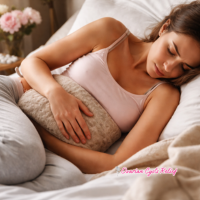
I used to think the heavy ache in my lower abdomen before my period was just part of being a woman. Every month, I braced myself for the bloating, the dull cramps, the strange pressure that made my jeans feel tighter. I told myself it was normal. Friends complained about their periods too. We compared heating pads and chocolate cravings like it was a shared ritual.
But something about my pain felt different. It was sharper on one side. Sometimes it came with a pulling sensation when I stood up too quickly. Other times, I felt a deep fullness that did not match the timing of my cycle. Eventually, after months of brushing it off, I learned that what I was experiencing were ovarian cyst symptoms before period.
If you have ever wondered whether your premenstrual discomfort might be more than typical PMS, this article is for you.
Understanding Ovarian Cysts in Simple Terms
Ovarian cysts are fluid-filled sacs that develop on or inside an ovary. Many cysts are functional, meaning they form as part of the normal menstrual cycle. In most cases, they are harmless and disappear on their own.
Each month, your ovaries prepare an egg. The egg grows inside a tiny sac called a follicle. When ovulation happens, the follicle releases the egg. Sometimes, that follicle does not release the egg or does not dissolve after releasing it. Instead, it keeps growing and becomes a cyst.
For many women, these cysts cause no symptoms at all. But for others, especially when the cyst is larger or persists over multiple cycles, noticeable symptoms can appear, often intensifying right before a period.
Why Symptoms Can Feel Worse Before Your Period
The days leading up to your period are already a hormonal roller coaster. Estrogen and progesterone levels shift dramatically. Your uterus prepares to shed its lining. Fluid retention increases. Inflammation can rise.
If you have an ovarian cyst during this time, those hormonal changes can make the cyst more sensitive. The surrounding tissues may swell slightly, increasing pressure in the pelvic area. That is why ovarian cyst symptoms before period can feel stronger and more uncomfortable compared to other times of the month.
I remember feeling like my lower abdomen was carrying extra weight. It was not just bloating. It felt like something was pressing from the inside.
Common Ovarian Cyst Symptoms Before Period
While every woman’s experience is unique, there are several symptoms that frequently show up before menstruation when a cyst is present.
One-Sided Pelvic Pain
One of the most telling signs is pain that feels concentrated on either the left or right side of the lower abdomen. PMS cramps usually feel central and spread across the lower belly. Cyst-related pain often feels more localized.
For me, it was always on the right. A steady, nagging ache that intensified when I walked for long periods or twisted my torso.
A Feeling of Fullness or Pressure
This is not the typical bloating that comes from hormonal changes. It can feel deeper and more persistent. Some women describe it as a heaviness in the pelvis or a sensation that something is taking up space.
Before my period, I would notice I could not comfortably lie on my stomach. The pressure felt too strong.
Increased Bloating
Bloating is common before a period, but when combined with a cyst, it can feel more extreme. The abdomen may look visibly distended, and the discomfort may not improve with typical remedies like reducing salt or drinking more water.
Sharp or Sudden Twinges
In addition to dull pain, some women experience brief, sharp sensations. These may happen with sudden movements, during exercise, or even while coughing.
I once felt a sudden stab of pain when getting out of my car. It lasted only seconds, but it stopped me in my tracks.
Pain During Intercourse
This is a symptom many women hesitate to talk about. If a cyst is present, certain positions can cause discomfort or deep pelvic pain, especially in the days before menstruation.
It took me time to realize that what I was feeling was not random sensitivity, but something physical that needed attention.
If you are experiencing ovarian cyst symptoms before period along with discomfort during intimacy, it may help to explore practical strategies for relief. I found it empowering to learn more about how pelvic positioning, muscle relaxation, and targeted pain management can reduce strain during intercourse.
Changes in Your Period
Some ovarian cyst symptoms before period include menstrual irregularities. You might experience a heavier flow, spotting before your period begins, or cycles that feel more painful than usual.
While cysts do not always disrupt cycles, they can interfere with normal hormonal patterns in some cases.
When Pain Is Not Just PMS
Many of us are taught to endure menstrual discomfort quietly. We are told cramps are normal, mood swings are normal, exhaustion is normal. And yes, some level of discomfort is common.
But pain that disrupts your daily life is not something you have to accept without question.
Here are a few red flags that suggest it might be more than typical premenstrual symptoms:
- Pain that is consistently one-sided.
- Pain that worsens month after month.
- Sudden severe pelvic pain.
- Pain accompanied by fever, dizziness, or fainting.
In rare cases, a cyst can rupture or cause ovarian torsion, which is when the ovary twists around the ligaments that support it. These situations require immediate medical care. Severe, sharp pain that comes on suddenly should never be ignored.
Emotional Impact of Repeated Symptoms
Something I did not expect was the emotional toll. When you experience unexplained pain every month, it can create anxiety. You start anticipating discomfort before it even begins.
I found myself planning my schedule around my cycle. I avoided workouts during certain days. I turned down social invitations if I suspected my symptoms would flare up.
There is also a quiet fear that creeps in. Is this normal. Is something wrong with me. Should I be worried about fertility.
These thoughts are common, and they deserve to be acknowledged.
How Ovarian Cysts Are Diagnosed
If you suspect you are experiencing ovarian cyst symptoms before period, the first step is a medical evaluation. A healthcare provider will typically review your symptoms and perform a pelvic exam.
An ultrasound is the most common imaging tool used to confirm the presence of a cyst. It can show the size, location, and type of cyst.
In my case, seeing the image on the screen was strangely validating. The discomfort I had been minimizing finally had an explanation.
Most functional cysts resolve on their own within a few menstrual cycles. Your provider may recommend watchful waiting and follow-up imaging to ensure the cyst shrinks.
Treatment Options and Management
Treatment depends on several factors, including your age, the size of the cyst, your symptoms, and whether you are approaching menopause.
Watchful Waiting
If the cyst is small and not causing severe symptoms, monitoring it over time may be all that is needed.
Hormonal Birth Control
Some providers recommend hormonal contraceptives to prevent ovulation, which can reduce the likelihood of new cysts forming. Birth control does not shrink existing cysts, but it may help prevent future ones.
Pain Management
Over-the-counter pain relievers can help manage mild to moderate discomfort. Heating pads can also provide relief by relaxing pelvic muscles.
I learned to be proactive. Instead of waiting until the pain peaked, I started using heat therapy at the first sign of discomfort.
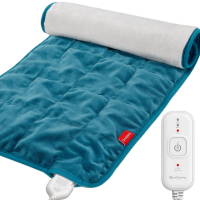
Comfytemp Weighted Heating Pad for Back & Period (12×24)
A soft, weighted electric heating pad designed to sit comfortably on your lower abdomen, back, neck, or shoulders for soothing warmth when you need it most.
- Weighted design helps it drape and stay in place for a more “hug-like” feel
- 3 heat levels (low, mid, high) for customizable comfort
- Moist heat option: lightly mist the surface for deeper warmth
- 2-hour auto-off for peace of mind and overheating protection
- Soft flannel cover, machine washable (controller detachable)
- FSA/HSA eligible (check your plan details)
Surgical Options
If a cyst is large, persistent, or causing complications, surgery may be recommended. Minimally invasive procedures can often remove the cyst while preserving the ovary.
Hearing the word surgery can be frightening. But many women undergo cyst removal with excellent outcomes and quick recovery times.
Lifestyle Adjustments That Help
While lifestyle changes cannot eliminate cysts, they can support overall reproductive health.
Regular exercise improves circulation and reduces inflammation. A balanced diet rich in fiber, healthy fats, and lean proteins can support hormonal balance. Managing stress is also important, since chronic stress can influence hormone levels.
I began tracking my cycle more carefully. By noticing patterns in my symptoms, I felt more in control. Awareness did not eliminate the cyst, but it reduced the uncertainty.
Fertility Concerns and Reassurance
One of the first fears many women have is whether ovarian cysts affect fertility. The reassuring truth is that most functional cysts do not cause long-term fertility problems.
However, certain types of cysts, such as those related to endometriosis or polycystic ovary syndrome, may have different implications. That is why proper diagnosis matters.
If you are trying to conceive and experiencing pelvic pain, it is important to discuss this with your provider. Open communication helps create a plan that aligns with your goals.
Listening to Your Body
Looking back, I wish I had paid closer attention sooner. Our bodies send signals for a reason. Dismissing persistent pain as just another part of womanhood can delay helpful care.
Ovarian cyst symptoms before period can blend easily with PMS, making them harder to recognize. But when something feels different, sharper, heavier, or more intense than usual, trust that instinct.
You deserve clarity about what is happening in your body.
Final Thoughts
Experiencing ovarian cyst symptoms before period can be confusing and emotionally draining. The overlap with typical premenstrual discomfort makes it easy to overlook. Yet understanding the patterns, recognizing one-sided pain, and noticing persistent pelvic pressure can make a meaningful difference.
If your symptoms feel stronger than normal PMS, or if they interfere with your daily life, seek medical advice. Most cysts are benign and manageable. Early evaluation provides peace of mind and practical options.
You are not dramatic for wanting answers. You are not weak for seeking care. And you are not alone in navigating the complicated landscape of reproductive health.
Your body is not something to endure. It is something to understand, support, and advocate for with confidence.

304 Comments
Pingback: vardenafil price
Pingback: amlodipine besylate 2.5mg tablets
Pingback: ciprofloxacin dexamethasone
Pingback: amoxicillin 500
Share your unique link and cash in—join now! https://shorturl.fm/Tg08f
Pingback: cenforce soft 100 mg
Pingback: compounded semaglutide california reddit
Pingback: buy dutasteride usa
Pingback: semaglutida comprimido emagrece onde comprar
Pingback: finasteride (proscar) 5 mg tablet
Pingback: flagyl how to say
Pingback: zeelab minoxidil review
Pingback: bupropion smoking cessation reddit
https://shorturl.fm/YPDvJ
Pingback: ivermectin medical breakdown
Pingback: ivermectin kinetic summary
Pingback: minoxidil pk elimination kinetics
Pingback: minoxidil women’s scientific overview
Pingback: sildenafil international pricing
https://shorturl.fm/MQgNN
https://shorturl.fm/GgkdI
Pingback: augmentin antibiotic class
Если еще не решили, что посетить во время отпуска, загляните в экскурсии в Камбодже. Нашел там несколько любопытных маршрутов.
details
beitish porn
hot naked guys
chastity mistress
elderly porn
anal dildo porn
sasha de sade porn
doxycycline 150mg pill
onset of viagra
cialis generika kaufen
penis enlargement surgery video
penis enlargement bible works ?
viagra used by female
cialis side effects for male
doxycycline hyclate and yogurt
british dogging porn
shemale fuck girls
lesbian massage seduction
missax mom
molly mae porn
candy samira porn
naked hunks
jenny mod porn
turkce alt yazili porno
sisters porn
katara hentai
gay bulge
diaper girl porn
jay alvarez sex tape
free purn
porn category
candy charms porn
lesbian vampire porn
enluxure
elle brooke gif
mature lingerie porn
porn dp
video chat porn
porn xxnx
double penetration gifs
british dogging porn
gay edging
hot guys naked
gay footjob
ava addams vr
erotic massage videos
lesbian vampire porn
chav cock
eva lovia pov
nude gay boys
rose hart sex
sophia rain porn
gay porn compilation
kirara hentai
mollyredwolf
lexi rivera porn
free femboy porn
xev bellringer nude
xxxpornhub
licking nipples
public dick flash
briana beach porn
free crossdresser porn
vr pov porn
turkce alt yazili porno
pantie porn
shemale fuck girls
cheryl cole porn
dainty wilder anal
femdom ass worship
peachy boy porn
british bukkake babes
skinny sex
fake taxi full porn
candy samira porn
hd porn movies
naked male athletes
porn fun
anna ralphs anal
clown porn
cheryl cole porn
lesbian squirt porn
koketochka555
raven cosplay porn
femdom ballbusting
سکس از کون
public agent full porn
pawg emily porn
sex xxxl
milf forced
femdom humiliation
chinese pornstars
tiny cock
vr 360 porn
milf hd porn
naked uk wives
metart gif
jojo hentai
thai ladyboy sex
bathroom porn
prosexx
men wanking videos
men wanking videos
british public porn
смотреть порно онлайн
gay boys porn
porn old
jerk off instruction
sydney sweeney fucked
pwetan
porn123
gay deepthroat
free big tits porn
anna bailey porn
fat gay porn
bathroom porn
michelle thorne anal
castration porn
سكس انطونيو
rate my ass
nelporno
vr 360 porn
free full length porn movies
gay team club porn
strawberry tabby porn
nelporno
смотреть порно онлайн
yuki hentai
public masturbation
public creampie
futa 3d
xev bellringer nude
femboy fuck
lesbian rimjob
big dick anal
eva lovia creampie
porn.hd
fun porn
wonder woman hentai
big uncut cock
persona 5 hentai
free anal
konulu porn
altyazılı porno izle
xev bellringer pregnant
سکسایرانی
charlie c naked
pegging pov
porn xxnx
piper presley onlyfans
michelle thorne anal
kendra lust vr
black anal porn
alix lynx porn
you pron
uk porn tubes
porn fun
katara hentai
megapornfree
bokep barat
fat mature porn
skinny teen pussy
futa porn gif
full free porn movies
adult porn movies
lana rhoades cumshot
cassie clarke porn
boys masturbating
3d porn gif
tori black anal
hunter x hunter hentai
gay boys porn
dredd porn star
adam22 porn
gay brothers porn
porn video download
gay big dick
utahime porn
ebony homemade porn
ginger gay porn
femboy fuck
free wife porn
jade jordan porn
you pron
naked british wives
abella danger gifs
bbw vr porn
tim kruger porn
grace wears lace porn
mature bondage
porn dildo
gay homemade porn
femdom bdsm
anal hd
black girl nude
trans joi
porn hub gifs
facetime sex
sissy gay porn
charlie rose naked
video chat porn
xev bellringer fuck
vr cuckold
danny d gay porn
xev bellringer nude
hqpirn
سكس مراهقه
hood porn
lucy alexandra porn
mystic being porn
pone hub
monsters of jizz
men sucking cock
kimberley jenner porn
dilf porn
سكس مراهقه
eva lovia pov
vr cuckold
eva lovia creampie
mommys girl porn
eva lovia pov
femboys porn
anna bailey porn
sextv1
free african porn
mollyredwolf
pirnhuv
anissa kate vr
jade jordan porn
dredd porn star
big tits mature porn
free porrn
felix jones porn
konulu porn
thai lady boy porn
videoteenage
nbnabunny
sex gif tumblr
سکس از کون
naked on beach
facetime sex
people having sex gifs
roman todd porn
lesbian bondage gif
babiporno
gay animation porn
immeganlive
masaj porno
rule 34 videos
gay joi
lana rhoades cumshot
porn dildo
full length porn films
extreme squirting
free only fans porn
fake taxi full video
freeporn tube
grandmother porn
trans only fans
trans gangbang
piper presley onlyfans
hospital porn
futa 3d
babiporno
vr creampie
big cock gay porn
janice griffith anal
gay porn black
full guide
sissy pegging
people having sex gifs
porn hub download
best anal porn
diaper hentai
naked on beach
hairy pussy porn
lesbian vampire porn
gay bulge
po4n
bronwin aurora naked
[2011]Cow888: Official Login, Register & App Download | Best Online Casino Slots & Bonuses,Experience the thrill of Cow888, the premier online casino in the Philippines. Register today for an official account to enjoy top-rated slots, exclusive bonuses, and seamless gaming. Download the Cow888 app for secure, fast, and exciting betting on the go! visit: cow888